By the Quédate.ca team
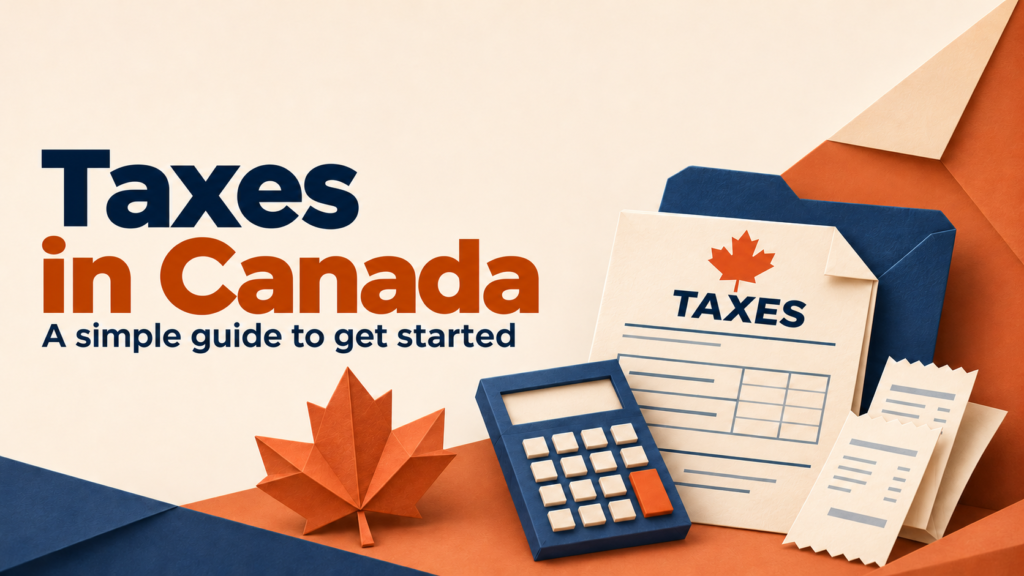
If you came to Canada and claimed refugee protection, you may have heard people talk about taxes, the CRA or filing a return. You may wonder: “Do I have to file taxes even though I haven't had my hearing yet?”
You might have to file, even while waiting for a decision. You do not need to be a citizen or permanent resident to have tax obligations in Canada. You do not have to figure it all out alone. A free tax clinic may be able to help if you meet its income and other conditions and have a simple tax situation. You can also speak with an accountant or a tax preparer in your community. Ask in good time and provide truthful, complete information.
First, what does filing taxes mean?
Filing a tax return means submitting a form to the government to report, among other things, how much money you received during the year. The Canada Revenue Agency, or CRA, receives this information.
On your return, you can report employment income and certain amounts you paid during the year. The CRA uses the information to determine whether you paid the right amount, paid too much and are entitled to a refund, or owe more. Filing does not always mean paying more: some people receive a refund, some owe money and others have no additional payment to make.
Could I have to file while waiting for my hearing?
Yes. Waiting for a refugee hearing does not exclude you from the tax system. To determine your obligations, the CRA considers, among other things, whether you live in Canada for tax purposes. This is different from being a permanent resident.
For example, María came to Canada, rented a home and lives here with her children. She later obtained a work permit and started working. Her refugee hearing is still pending. Although she is not yet a permanent resident, she may have to report her income in Canada.
Every situation is different. Your arrival date, where your family lives, whether you have a home in Canada and your ties to other countries can all matter. If you are unsure, take your information to a tax clinic or speak with an accountant. They can help you determine when your filing obligations began and what information you need.
What if I did not work?
Even if you did not work, ask whether you need to file or whether it would be useful. Some people did not work because they were waiting for a permit, caring for children, studying or dealing with a health problem. Others worked only a few months and had little income.
In some situations, filing may be necessary to apply for or maintain certain benefits and credits. Filing a return does not automatically make you eligible. Every program has its own requirements. A clinic or accountant can help you understand which ones might apply to your family.
What should I take to a tax clinic or accountant?
People need different documents, but it is helpful to bring what you have from this list:
- Your Social Insurance Number (SIN), if you have one, and identification.
- Immigration documents that help explain your situation and when you arrived in Canada.
- Slips from employers, such as a T4.
- Social assistance slips, such as a T5007, if you received one.
- Information about other income you received.
- Information about your spouse or partner and children, if applicable.
A T4 normally comes from your employer and shows what you earned and the amounts deducted from your pay. If you worked for several employers, you may receive a T4 from each. Ask your employer if one is missing.
You do not need to know what every document means. Bring what you have and ask what else is needed. If you received income outside Canada during the year you arrived, tell the person preparing your return. They can help determine what information must be included.
If I received Ontario Works or other social assistance, should I mention it?
Yes. Tell the person preparing your return about any social assistance you received. Many recipients receive a T5007 slip. Bring it to the clinic or accountant if you have one.
Social assistance is generally not taxable, but the information may still need to be reported so the CRA can calculate certain benefits correctly. For example, if you received Ontario Works, do not set the T5007 aside just because you did not work. Take it with you and ask how to use it. See the CRA's information on social assistance payments.
My SIN starts with 9. Can I use it to file?
Yes. If you have a SIN beginning with 9, you can use it to identify yourself when filing your tax return. This type of number is common among people with temporary authorization to work in Canada. You do not have to wait until you become a permanent resident to use it for tax matters.
If you later become a permanent resident, you will need to update your information with Service Canada and obtain your permanent SIN. Our article explains the step: I am now a permanent resident: how do I update my SIN starting with 9?
What if I do not have a SIN yet?
Do not let that stop you from seeking help. First, check whether you are eligible to apply for a SIN through Service Canada. You may already have applied and be waiting, or you may not currently be eligible. In those situations, the CRA has filing instructions and may use other tax numbers in certain cases.
Explain to the clinic or accountant whether you have applied for a SIN, whether you have work authorization, whether the CRA has given you another tax number and whether you need to file soon. They can help you determine the appropriate next step. In some cases, the CRA permits a paper return without a SIN, accompanied by an explanation and identity documents, according to its instructions. See the CRA's SIN information.
A number used for taxes does not replace a work permit. If you need to work, check that you have the necessary authorization.
I have children. Can I receive a benefit for them?
You may have heard about money some families receive for their children. One program is the Canada Child Benefit (CCB). A family must meet several conditions. Living in Canada, having children or filing taxes alone is not enough.
The CRA considers, among other things, the immigration situation of the applicant or their spouse or partner, where the child lives, who is primarily responsible for the child's care and the family's residence for tax purposes.
Claiming refugee protection does not mean you are already a protected person. The CRA says a person still waiting for a positive decision is not considered a protected person for that CCB requirement. Family circumstances vary: for example, a spouse or partner's situation may need to be considered. Ask a tax clinic or accountant whether your family meets the requirements. See the CRA's Canada Child Benefit guide.
If you later receive a positive refugee decision, review your situation again and ask whether you can apply. Do not assume that payments will arrive automatically.
Where can I find free help?
The CRA works with community organizations that provide free tax clinics, generally for people with modest incomes and simple tax situations. Some offer in-person appointments; others may work by appointment or offer virtual assistance. You can find a free tax clinic near you.
You can also ask an organization that helps newcomers or refugee claimants. Many know local clinics and can help you find one. When you call, you can say: “I came to Canada and I am claiming refugee protection. I need help filing my taxes for the first time. Can you help me, and what documents should I bring?”
If your situation is more complicated, for example if you were self-employed, earned income in another country or own a business, ask whether the clinic can help. If it cannot, look for an accountant experienced with newcomers' taxes.
You do not have to do it alone
Taxes can feel complicated when you arrive in a new country. There are unfamiliar names, new documents and many questions. Help is available.
Keep the documents you receive from your employer, bank or social assistance program. As tax season approaches, find a free clinic or an accountant near you and bring the information you have.
- You can have tax obligations while waiting for your refugee hearing.
- Filing does not always mean that you will have to pay.
- Filing alone does not guarantee that you will receive benefits.
Asking in good time can help you understand your situation and avoid problems later.
Official sources
- CRA: tax information for newcomers
- CRA: what to do if you do not have a SIN
- CRA: social assistance payments
- CRA: who can apply for the Canada Child Benefit
- CRA: free tax clinics
Important notice: This article was prepared by the Quédate.ca team for educational and informational purposes only. It is not legal or tax advice, does not create a lawyer-client or consultant-client relationship and does not replace an individual assessment by an authorized professional. Canadian tax and immigration laws, regulations, policies and procedures can change. Before acting or making a decision, check current law and official information applicable to your situation and, when appropriate, obtain authorized professional advice.
If you are also preparing for your refugee hearing, explore our educational course.
Explore the refugee hearing course